Why Did Eren Start the Rumbling? - Attack on Titan Explained
Eren Yeager's decision to activate the Rumbling is the most controversial moment in Attack on Titan. Here's the real reason.
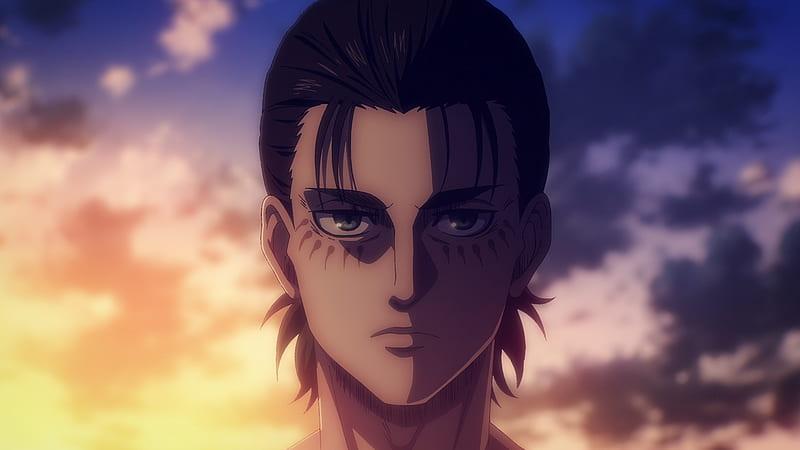
Why Did Eren Start the Rumbling? The Controversial Truth
Eren started the Rumbling because he saw no other future.
Not because he was evil. Not because he hated the world. Not because he wanted to destroy everything. He looked at every possible outcome—diplomacy, partial destruction, Zeke’s sterilization plan—and saw only one path that guaranteed Paradis’s survival.
He chose genocide because the alternative was extinction.
That’s the uncomfortable truth at the heart of Attack on Titan. Eren didn’t become a monster overnight. He became one gradually, as every other option was stripped away from him. And by the time he activated the Rumbling, he had already accepted what he would become.
But understanding why he made that choice requires understanding everything that led to that moment.
The World’s Hatred Was Absolute
Marley’s History of Oppression
The world outside the walls didn’t just dislike Eldians. They wanted them destroyed. This hatred spanned centuries, passed down through generations like a curse.
Marley specifically built their military power on the backs of Eldian “devils.” They used Titan shifters as weapons, then turned around and branded all Eldians as monsters. The hypocrisy was staggering, but it didn’t matter.
The hatred was real. And it was absolute.
Eren witnessed this firsthand during his time in Marley. He saw how Eldians were treated in Liberio. He saw the armbands, the ghettos, the propaganda. He saw children being taught to hate their own blood.
Willy Tyber’s speech at the declaration of war confirmed everything Eren already knew. The world wasn’t going to negotiate. They weren’t going to listen to reason. They wanted Paradis erased from the map.
The Global Alliance
By the time Eren made his decision, the world had already united against Paradis. Every major nation had pledged to destroy the island. The Global Alliance wasn’t hypothetical—it was in motion.
This wasn’t paranoia. It was reality.
The fleet was already sailing. The armies were already mobilizing. Paradis had months at most before total annihilation.
Eren had to choose. Act now, while the alliance was still forming. Or wait, and watch his home burn.
Why Diplomacy Was Never Going to Work
Hange tried diplomacy. Armin tried reasoning. The Survey Corps spent years trying to build bridges with the outside world.
None of it worked.
The hatred was too deep. The fear was too ingrained. Eldians were the devils of the world—the monsters who once ruled through terror and Titans. No amount of peaceful gestures would erase a thousand years of propaganda.
Even the volunteers from Marley who defected to Paradis didn’t truly trust Eldians. They saw the islanders as useful tools, not equals.
Eren understood this better than anyone. He knew the world would never accept Paradis. Not through peace. Not through trade. Not through anything.
Why Zeke’s Plan Was Unacceptable
The Sterilization Solution
Zeke’s plan was simple: Sterilize all Eldians so they could never produce children. Let the current generation live out their lives. Then let the race die out peacefully.
Zeke called this mercy. He called it ending the curse.
Eren called it genocide.
Not the violent kind. Not the bloody kind. But genocide nonetheless. A slow, quiet death for an entire race of people.
The Euthanasia Betrayal
Zeke’s plan required betraying everyone Eren loved. His friends would never be able to have children. The next generation of Eldians would never exist. The Survey Corps would inherit a world with no future.
Eren refused to let that happen.
He refused to let his friends die. He refused to let his people disappear. He refused to accept that Eldians had to end.
So he chose a different path.
The Freedom to Exist
Zeke viewed Eldian existence as a curse. A mistake that needed to be corrected.
Eren viewed Eldian existence as a right. Something that deserved to continue.
This was the fundamental disagreement between them. Zeke wanted to end the suffering of Eldians by ending Eldians. Eren wanted to end the suffering of Eldians by destroying the world that hated them.
Neither option was good. Neither was clean.
But Eren’s path at least gave his people a chance to live.
Eren’s Obsession with Freedom
Childhood Dreams
Eren’s obsession with freedom started long before he knew the truth about the world. As a child, he dreamed of leaving the walls. He wanted to see the ocean, the desert, the frozen lands.
He wanted to be free.
That dream was pure. Innocent. It was about exploration and adventure. But as Eren grew older, that dream mutated into something darker.
The Realization
When Eren discovered the truth, everything changed. The outside world wasn’t a land of freedom—it was a prison. Eldians weren’t trapped inside the walls. They were trapped everywhere.
The world was their cage.
Eren’s dream of freedom transformed into a nightmare. Freedom wasn’t about seeing the world. It was about breaking the world. Destroying the walls that confined his people—both the physical walls around Paradis and the invisible walls built by the world’s hatred.
The Chains of Fate
Eren also believed the future was predetermined. He had seen fragments of what was to come—the Rumbling, the devastation, his own death.
But he never stopped moving forward.
He was never a slave to fate. He accepted the future because it was the only future that gave his people a chance. Eren’s freedom wasn’t about choosing his path—it was about walking the path he had already seen.
Protecting His Friends
The Survey Corps
Eren’s deepest motivation was protecting his friends. Armin. Mikasa. Jean. Connie. Sasha. Levi. Hange.
Everyone he loved.
He knew what the Rumbling would cost. He knew he would become a monster. He knew he would be hated.
But he was willing to sacrifice everything.
He sacrificed his humanity to give them a future. He sacrificed his relationships to give them peace. He sacrificed his life to give them survival.
Making Them Heroes
Eren deliberately arranged events so that Mikasa and Armin would be seen as the heroes who stopped him. By dying at their hands, he ensured they would be celebrated by the world.
The remaining 20% of humanity would see Mikasa and Armin as saviors. Paradis would be spared because the ones who killed Eren were the ones who loved him most.
It was manipulation. But it was also love.
The Emotional Toll
Eren didn’t enjoy what he did. He cried during the conversation with Ramzi. He broke down in front of Mikasa. He was suffering just as much as everyone else.
But he endured it.
He endured the guilt. The pain. The loneliness. He carried the weight of billions of deaths on his shoulders because he believed it was the only way forward.
The Consequences of the Rumbling
What Eren Accomplished
The destruction of 80% of humanity
This is the number fans debate most. Was 80% enough? Should it have been 100%?
The truth is that 80% was calculated. Eren needed to destroy the world’s military capacity without completely wiping out humanity. If he killed everyone, there would be no one left to negotiate with. No one left to understand the horror of what had happened.
The end of the Titan curse
Eren’s connection with Ymir—the Founder—allowed him to break the cycle. By freeing Ymir from her trauma, he ended the curse that had plagued Eldians for two thousand years.
No more Titans. No more shifters. No more eating each other to survive.
A chance for peace
The remaining 20% of humanity saw the devastation. They understood the cost of hatred. The survivors weren’t just alive—they were witnesses.
Witnesses who could choose a different path.
What He Lost
His humanity
Eren became the villain. He killed billions. He destroyed entire nations. He ended civilizations.
He knew what he was doing. He didn’t enjoy it. But he did it anyway.
His friends
He alienated everyone he loved. Armin was horrified by what he did. Mikasa couldn’t even look at him without breaking down. The Survey Corps—his family—turned against him.
His life
Eren knew he would die. He saw it in his visions. He accepted it.
Mikasa killed him in the final chapter. She was the one who ended his life—and she was the one who loved him most.
Was It Justified?
This is the question that divides Attack on Titan fans.
The Justification Argument
Eren had no other options. The world hated Paradis. Diplomacy failed. Zeke’s plan was genocide. Partial destruction would only delay the inevitable.
The Rumbling was the only path that guaranteed survival. Not perfect survival. Not happy survival. But survival nonetheless.
The Opposition Argument
Genocide is never justified. Eren could have chosen different actions. He could have worked with Hange and Armin. He could have tried harder to find a peaceful solution.
Killing billions of innocent people cannot be defended. Not by necessity. Not by desperation. Not by anything.
The In-Between Perspective
The truth is that Eren chose the path he believed was necessary. Whether it was right or wrong depends on your perspective.
Eren wasn’t a villain who loved destruction. He was a broken person who saw no other path.
He was a tragic figure. Not a hero. Not a villain. Just a person who made an impossible choice.
What Eren’s Decision Really Means
Attack on Titan isn’t a story about good versus evil. It’s a story about cycles. Hatred. Fear. Violence.
Eren understood this.
He knew the Rumbling wouldn’t end hatred forever. He knew conflict would eventually resume. But he gave his people time. Time to build something new. Time to break the cycle on their own.
The Final Conversation with Armin
In the Paths, Eren explained everything to Armin. His true feelings. His true motivations. His true fears.
He admitted he was wrong. He admitted genocide was unforgivable. He admitted he would have done it anyway.
Because he loved his friends more than the world.
Eren wasn’t trying to be a hero. He wasn’t trying to be a villain. He was just trying to protect the people he loved—even if it meant destroying everything else.
Conclusion: The Villain Who Loved Too Much
Eren started the Rumbling because he believed it was the only way to protect Paradis. His choice came from a place of love—not hate.
Love for his friends. Love for his people. Love for the freedom he had always craved.
But that love transformed into something monstrous. It consumed him. It turned him into a god of destruction.
Eren was a tragic figure. Not a hero. Not a villain. Just a person who made an impossible choice in a world that gave him no good options.
And that’s what makes Attack on Titan’s ending so powerful. It doesn’t give you easy answers. It doesn’t let you feel comfortable. It forces you to ask the hard questions.
What would you do? What would you sacrifice? Who would you become?
That’s the real question.
Keywords: Eren Yeager, Rumbling, Attack on Titan, explained, ending, motivations